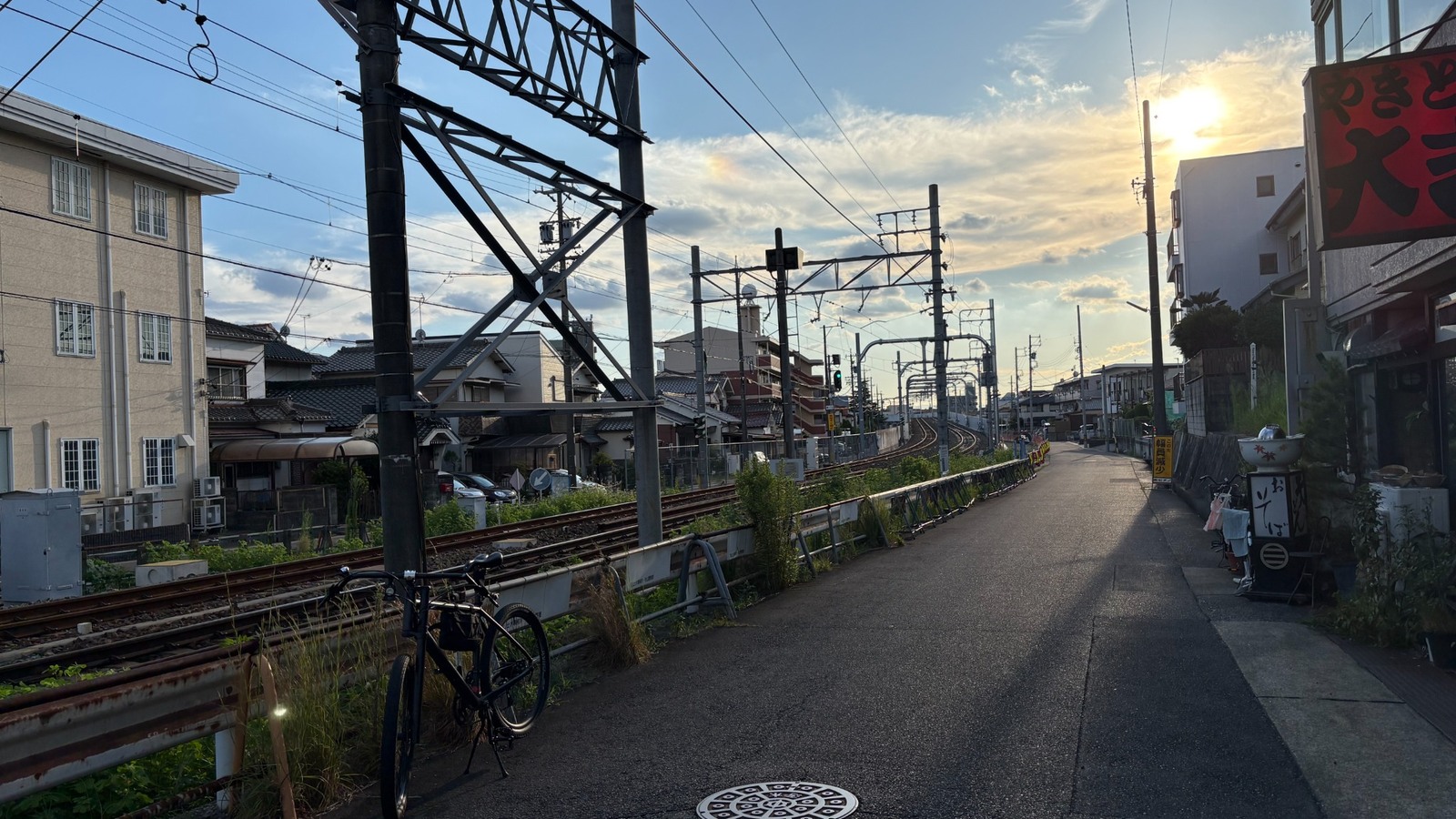
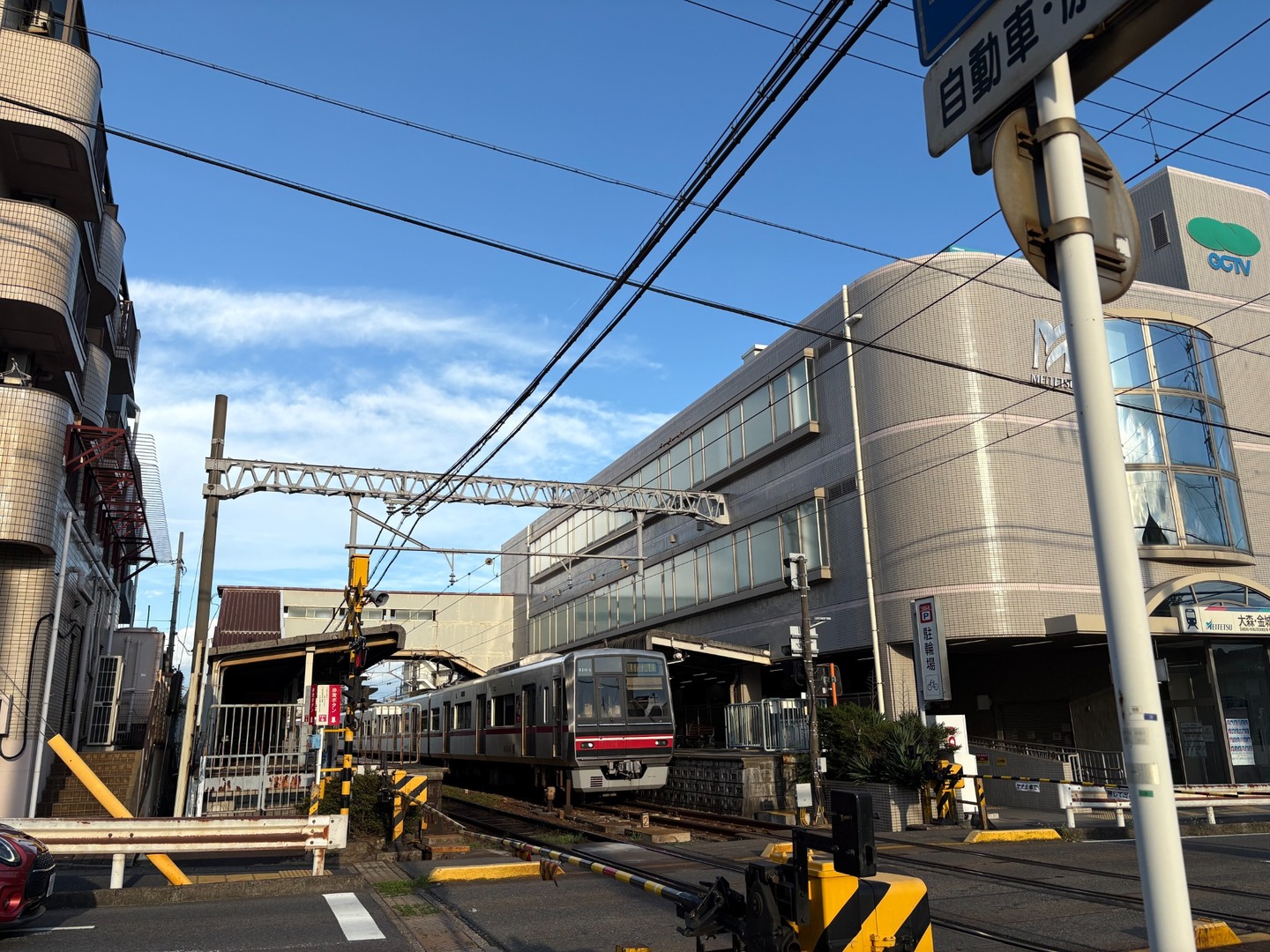
I ride my bicycle through an utterly ordinary residential neighborhood.
There is a convenience store. Laundry hangs out to dry. A railroad crossing rings, and a train passes by.
Nothing particularly interesting happens. It is neither a tourist destination nor a place with historic buildings.
Lately, though, I have begun to wonder whether these are precisely the scenes worth preserving.
What are we really looking at in old footage?
There is footage of Japanese streets from the Showa era. To the people of the time, those scenes must have been entirely unremarkable.
Cars on the road. Shop signs. The clothes of passersby. Bicycles lined up in front of a station.
Perhaps the person filming never imagined that such details would become valuable someday.
Decades later, we study every corner of the screen. “There used to be a shop like that over there.” “My dad drove that car.” Things that were never the subject of the footage have become its main attraction with the passage of time.
Time is a rather curious editor.
The world changes without warning.
A shop closes. A building is demolished. A station is renovated. An apartment block rises on an empty lot.
The scenery we see every day changes little by little. The trouble is that nobody tells us when we are seeing something for the last time.
The road we always took. The sign we always saw. The shop we thought we could visit whenever we wanted.
By the time we want to see them again, they are gone. All too often, we recognize the value of things only after losing them.
Filming days when nothing happens.
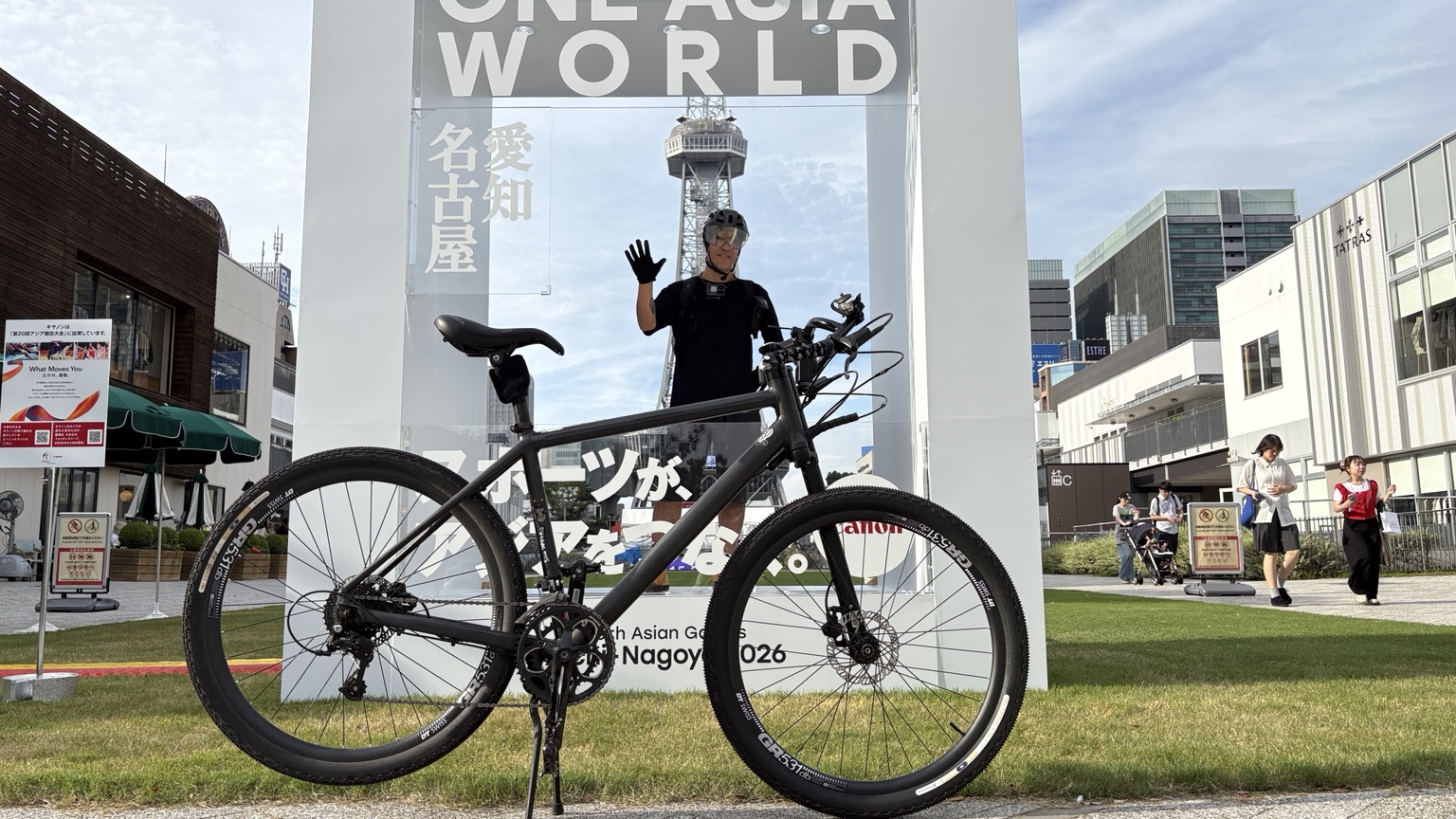
On my YouTube channel, RIDE IN NAGOYA CITY, I publish footage of cycling through the city.
There is no dramatic turn of events. I simply ride.
On YouTube, things tend to attract more attention when something happens: accidents, incidents, arguments, trouble. Sensational footage draws a crowd.
But if we record only the days when something happens, where will all the other days be preserved?
Peace does not make the news. Quiet days do not become trending topics. Yet isn't that ordinary life what we really want to protect?
A place I pass through is someone else's hometown.
When I cycle through an unfamiliar town, I sometimes think about this.
A road I am taking for the first time may be one someone else walked for decades. The road to school. The road where they first walked with someone they loved. The road they walked home alone on the day they left a job. It may be a hometown they can no longer return to.
I pass through without knowing any of that.
But someone far away may be watching my footage. The few seconds I casually rode past might contain an entire chapter of that person's life.
The value of a film is not for the filmmaker alone to decide.
To the people of the future, we are people from the past.
It is 2070. Someone searches for Nagoya in 2026. It would be fascinating if my footage were still there.
“So that's what bicycles looked like back then.” “They still had railroad crossings.” “This place looks completely different now.”
People in the future will look with curiosity at the ordinary world I see every day. And they will probably be more interested in what appeared in the frame by accident than in what I deliberately filmed.
That's fine with me.
Perhaps a record is a letter from the present to the future, with its answers left unwritten.
So I keep the camera rolling today. Nothing special needs to happen. I don't need to go anywhere famous.
A day that seems boring to us is a day someone in the future can never get back.
Someday, someone will miss this uneventful day. When I think about that, even an ordinary street corner starts to look a little different.
Watch the city rides · RIDE IN NAGOYA CITY ↗ · ROOM0117 · TAKUYA VLOG